
Andrew, William and the FA succession.

“Doesn’t he just like golf?” So said a senior FA official when the governing body of English football was presented with the prospect of the then HRH The Prince Andrew, The Duke of York, becoming President of the FA on August 13, 2000. Officials were then disappointed but not entirely surprised when their new President didn’t come to their lavish farewell to Wembley. This was a fund-raising ball for the NSPCC on November 2, 2000 before the wrecking ball swung into the old stadium. “I’m sorry that I cannot be there in person to share Wembley’s final moments,” Andrew wrote in the programme for the evening, adding his support for the NSPCC - of which he was then patron.
Still, legends like Pele and Sir Bobby Charlton turned up at the Venue of Legends. So did music greats: Watford fan Sir Elton John performed his hits in the huge marquee on the pitch. 2,000 guests helped raise £1m for the NSPCC. The FA President missed a great event. He’d only just accepted the role and had a busy schedule planned long in advance. How much football missed him was a moot point. It’s fair to say – and it was said at the time – that Andrew was not the most natural and fitting President that the FA has ever had.
How he became the figurehead of English football is an intriguing story. Since 1939, the FA’s President has always been a royal: the 1st Earl of Athlone; Prince Philip; The Duke of Gloucester; the wonderful George Lascelles, 7th Earl of Harewood and massive Leeds United fan; and then the Duke of Kent. When the Duke of Kent, more a tennis man, made it known in 2000 that he wanted to step down as FA President, officials spoke to the Royal Household about a suitable successor.
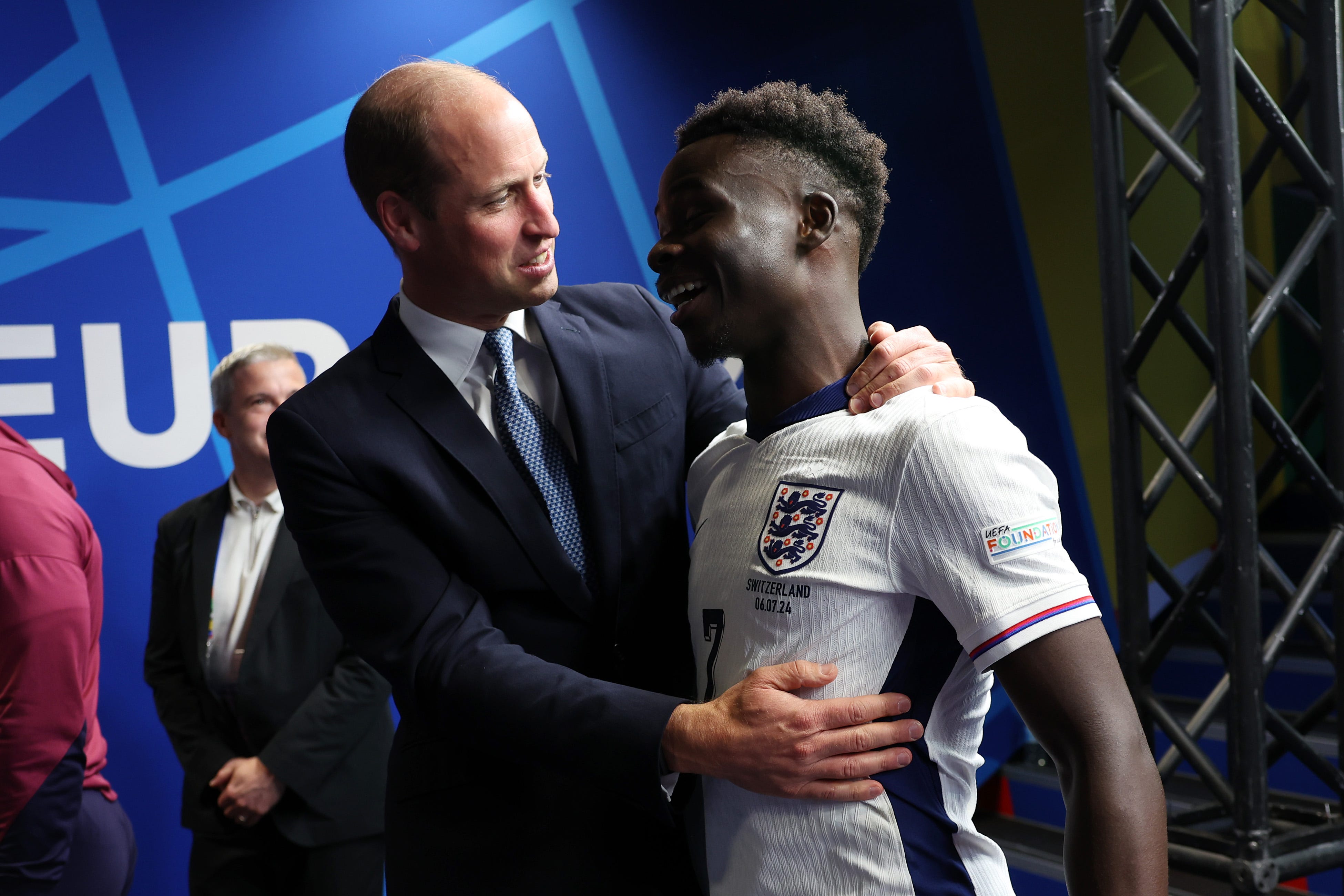
Looking to the future, the FA was keen on one of the princes, William or Harry. Clarence House felt, understandably, they were too young - William was 18, Harry 15 - but that the FA proposal would be considered after their education. The dream ticket for the FA - as it eventually proved - was William, known as a huge football fan. Loves the Villa. Harry was more associated with rugby union. An informal agreement was struck with Clarence House that William would eventually become FA President at some point after attending the University of St Andrews.
In the meantime, they needed a caretaker. The Palace proposed Andrew. Everyone is understandably piling on him now, given recent allegations (and he has previously denied any wrongdoing), but people in football in the early 2000s already considered him charmless and off-hand. I saw him at a few footballing events, was unimpressed and highlighted it. Andrew gave the impression that he was above football.
In fairness, some FA officials liked him and felt he helped their organisation and delivered useful speeches when an audience needed winning over. “He has done a terrific job, particularly behind the scenes, for which we are enormously grateful,” Geoff Thompson, then chairman of The FA, said in 2005. Others disagreed.