
Football still needs traits of the knight manager

Managers’ influence has been eroded ever since players began being paid more than them, ever since players became brands, some enjoyed a hot-line to owners and ever since some entitled young players had more money in the bank than match-day miles in the tank. Managers’ influence has been eroded with the arrival of more owners swayed by agents and also, understandably, wanting to make sure their money is spent wisely on players so they employ sporting directors. And so the distance grows between dug-out and board-room and the “manager” becomes “head coach”. Where are the Sir Alex Fergusons and Sir Bobby Robsons of the future, the knight managers?
It’s a point that Gareth Southgate, who made sure he was England “manager” not “head coach”, makes in a typically measured way in a post on Linkedin. He writes that “the erosion of a manager’s authority has been a gradual process over many years”. Southgate attributes the recent exits of Enzo Maresca, Ruben Amorim and Xabi Alonso to “power struggles with club executives, club employees or players ultimately the root cause of the end of each tenure”.
Southgate adds that the “erosion” has “accelerated with the widespread introduction of football, technical or sporting directors, who now oversee long-term football strategy, report directly to CEOs or owners (or both), and sit structurally above the head coach”. He understood the “evolution” because of the increased demands placed on managers through bigger squads, back-room staff and media.
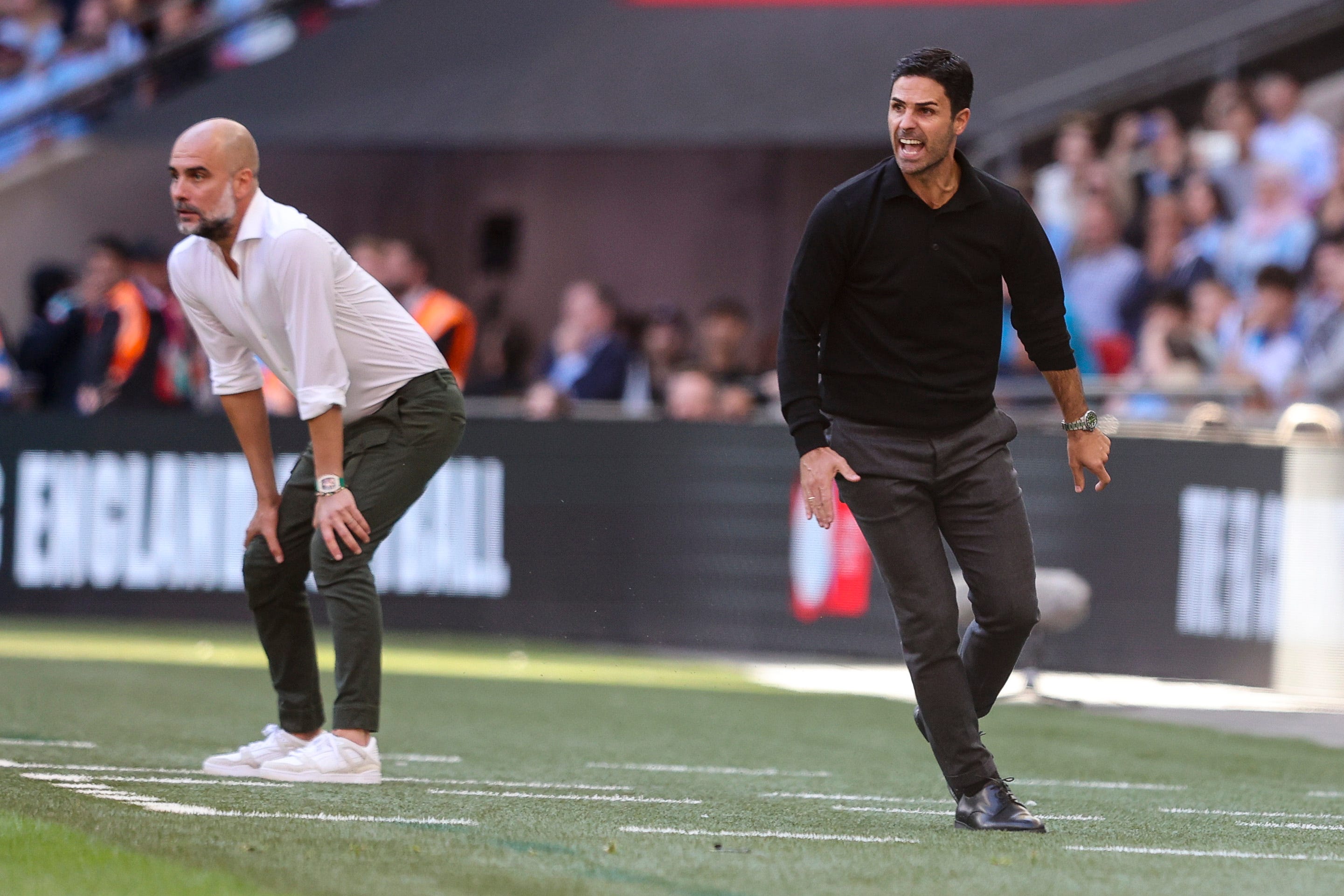
I read Southgate’s thoughtful comments and then glanced at the Premier League table. Top three: Arsenal, Manchester City, Aston Villa. All run by managers with the type of control over their clubs that Ferguson would recognise: Mikel Arteta, Pep Guardiola and Unai Emery.