
Old Trafford, Euro 2028 and a sense of sadness

If you were to name the two most famous club grounds in England, you’d probably go with Old Trafford and Anfield. Everyone has their own affiliations, and memories good and bad, but the ancient homes of Liverpool and Manchester United undeniably remain the best known. So why have these celebrated footballing cathedrals not been considered as venues for Euro 2028?
The answer to the Anfield element of the question is that the pitch is 4m shy of Uefa’s stipulated 105m length, although it was good enough to stage group matches and a quarter-final between France and the Netherlands at Euro 96. The tight nature of the pitch, and the small apron, was looked at by Uefa and Liverpool officials on Wednesday night when reviewing the area where Galatasaray midfielder Noa Lang collided with the advertising hoardings behind the goal. The images of his sliced right thumb were graphic and shown only briefly by TV.
Fortunately, the Dutch international soon posted pictures of him smiling with two nurses at Whiston Hospital. “Surgery went well,” reported Lang on Instagram. Uefa later released a statement about the “unfortunate accident” and saying it would talk to clubs about the placing of LED hoardings. Money also talks, and the proliferation of money-spinning hoardings, especially the double ones, inevitably brings risk. Anyway, Hill Dickinson Stadium was picked ahead of Anfield for the Euros.
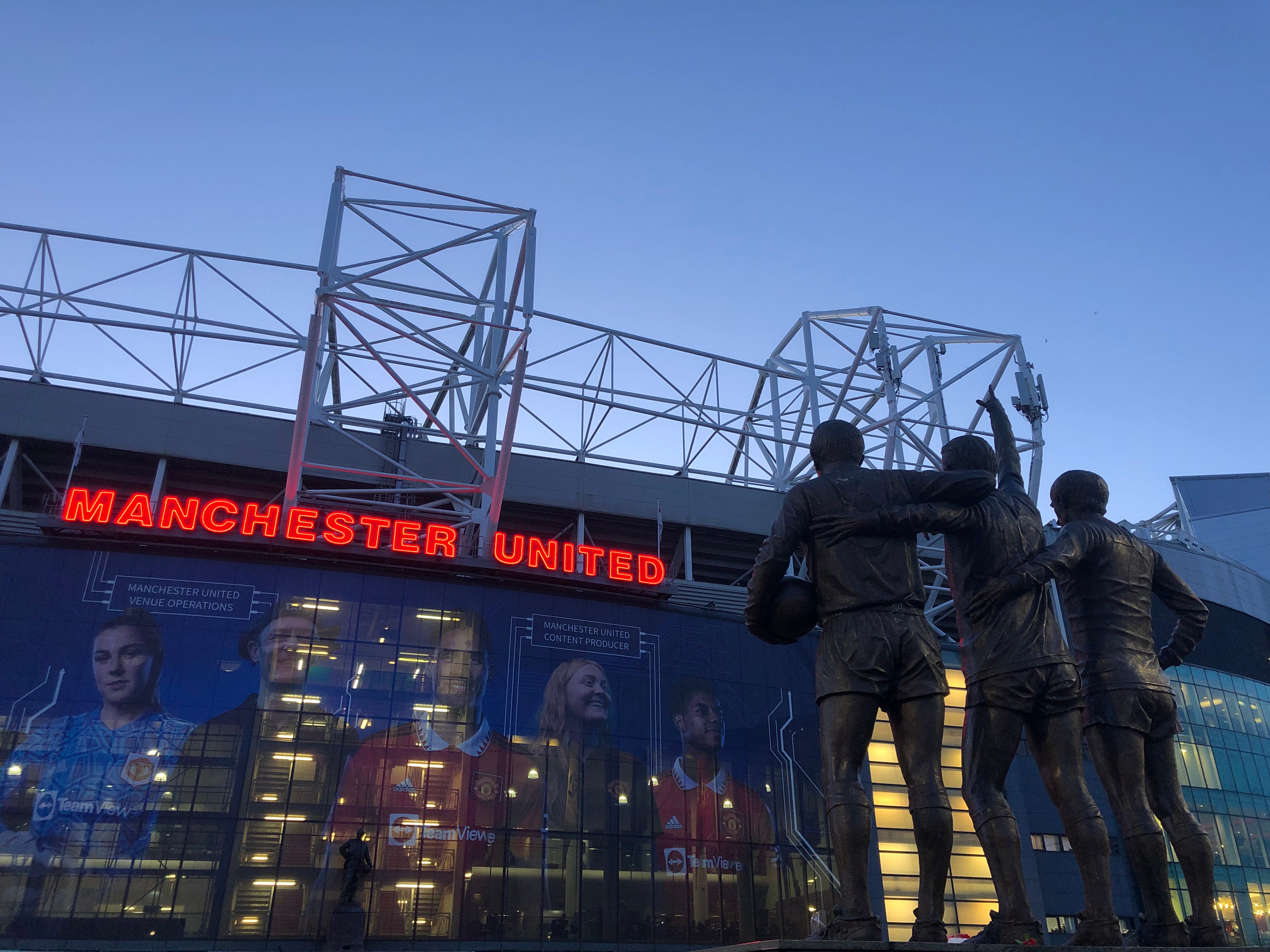
The Etihad was chosen ahead of Old Trafford which is a whole other story, far more of a conundrum and beginning to feel a huge missed opportunity. You may wonder about the relevance of the question when a) the decision has been made by Uefa and the FA and b) the tournament is two years and three months away. Well, it’s relevant in that Uefa officials have again been over in England, attending European games, and also because it’s indicative of the concerning modern trend of financial over footballing considerations.
Facilities are important but so is the feel of the place, the immersion in the history of the game. Walking down memory lane should be long, not short. It should be cherished and shared and made a centre-piece of the hosting of any tournament. Walking along Sir Matt Busby Way feels a pilgrimage, even for those who aren’t disciples of Manchester United. Those making the walk feel part of the history of the game, striding towards a ground that has hosted more than 2,500 games since 1910.