
Panenka, a test of nerve, technique and when not to do them

Even in defeat, Keith Andrews continues to impress as Brentford head coach. Whatever his frustration inside, Andrews spoke out powerfully in support of his player, Dango Ouattara, following the winger’s costly failed Panenka in the shootout against West Ham United in the FA Cup last night. Andrews knew the criticism, some of it vile, that would spew Ouattara’s way on social media.
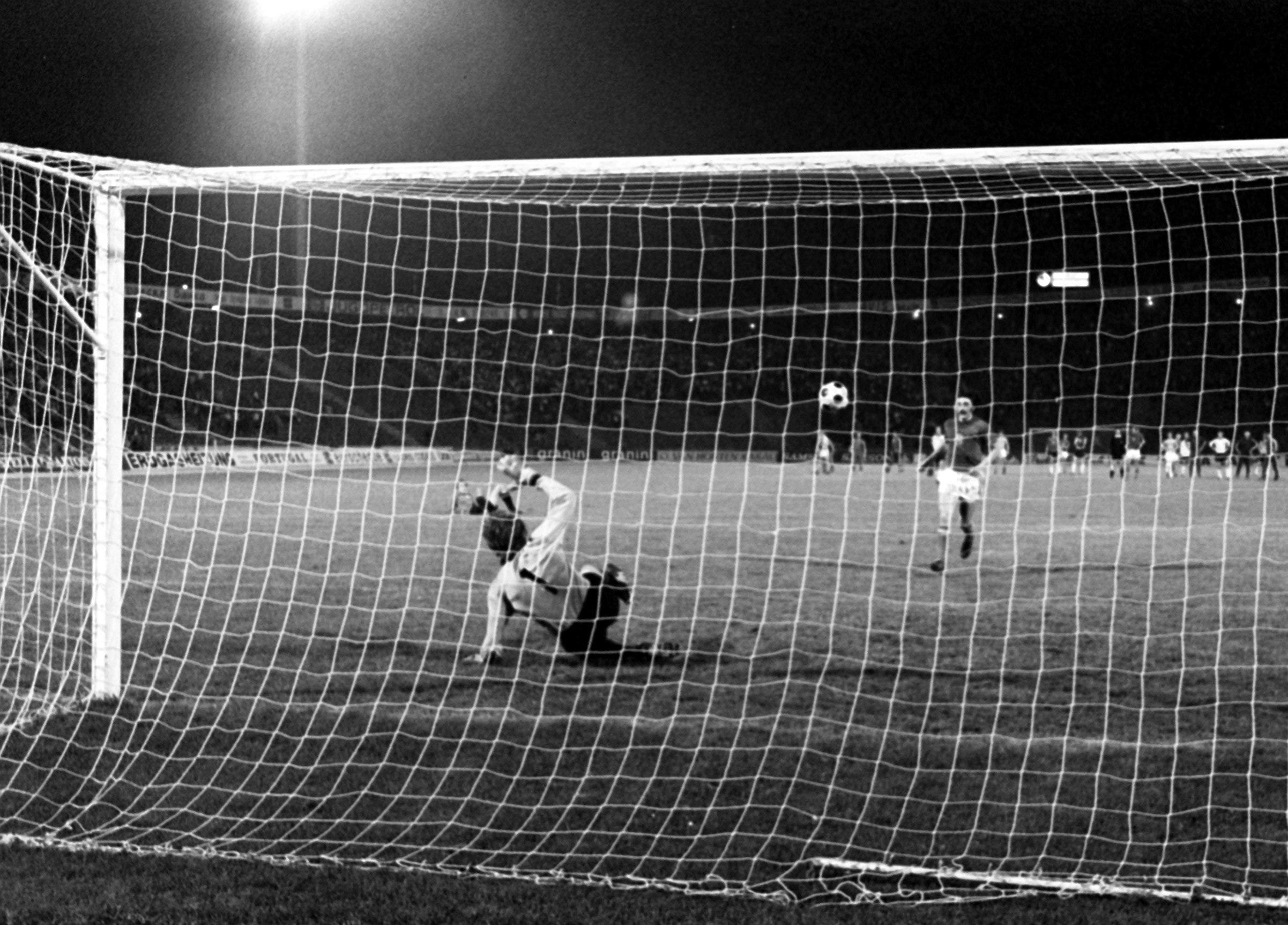
So he quickly moved to absolve Ouattara of blame, telling reporters at the London Stadium, of the “unbelievable courage” required to take a penalty “on a stage like that”. Andrews railed against the “culture” of denigrating those who have missed penalties, some of them “national heroes”. Andrews played at MK Dons for Paul Ince, who missed his kick in the France 98 shootout against Argentina after playing magnificently for England for two hours. Andrews himself converted nine and had one saved by Sam Russell, Rochdale’s keeper, while playing for Ince’s team in 2008.
Brentford’s head coach knows the nerve required to take a penalty. So he backed his man. Andrews added that Ouattara “practises that technique (the Panenka) a lot”. It is undoubtedly a useful technique for a player to have in their armoury, especially for a player who takes penalties regularly and wants to sow a seed of doubt in the keeper’s mind. Ouattara doesn’t take them regularly in games. This was clearly not the time to execute the technique. West Ham’s five takers all went hard and fast, all beating Caoimhin Kelleher.
⚽ ⚽
In other big moments, Ouattara has not utilised the Panenka. When Ouattara was presented with a penalty chance for Burkino Faso after 16 minutes of a World Cup qualifier against Djibouti last year, he placed his shot low to Liban Said’s left but striking the upright. Undeterred, Ouattara took another penalty late in the game, but this time with a very short run-up and found the gap with a low stabbed strike between Said and the left-hand post. He looked to be reading Said, seeing how he committed himself before committing to choice of finish, a challenge of nerve and split-second decision-making under supreme pressure.
Against Alphonse Areola last night, Outtara appeared to change his mind. As he ran in, Outtara’s body shape appeared to suggest he would whip his left-footed kick across Areola. His intention seemed to be targeting the area he’d focused on against Djibouti.
West Ham’s keeper held his nerve, feinted to go left, but held his ground. In that tiny twitch of movement, Areola appeared to make Outtara change his mind, and go down the middle. Areola stood there and caught the ball. Just as Kelleher had done to catch Enzo Le Fee’s attempted Panenka for Sunderland at the Gtech in January. Some Brentford fans mocked Le Fee.
⚽ ⚽
Panenkas rely on the keeper committing himself. It’s how it began. The story is long and widely celebrated but worth recapping briefly: Antonin Panenka, a skilful midfielder with Bohemians and Czechoslovakia, had a five-penalty challenge with keeper Zdenek Hruska after club training in Prague. The loser bought the other a beer. Panenka varied his kicks, left and right, and then added to his arsenal of finishes with the dink down the middle when Hruska committed himself. “The falling leaf” was rewarded with beers.